
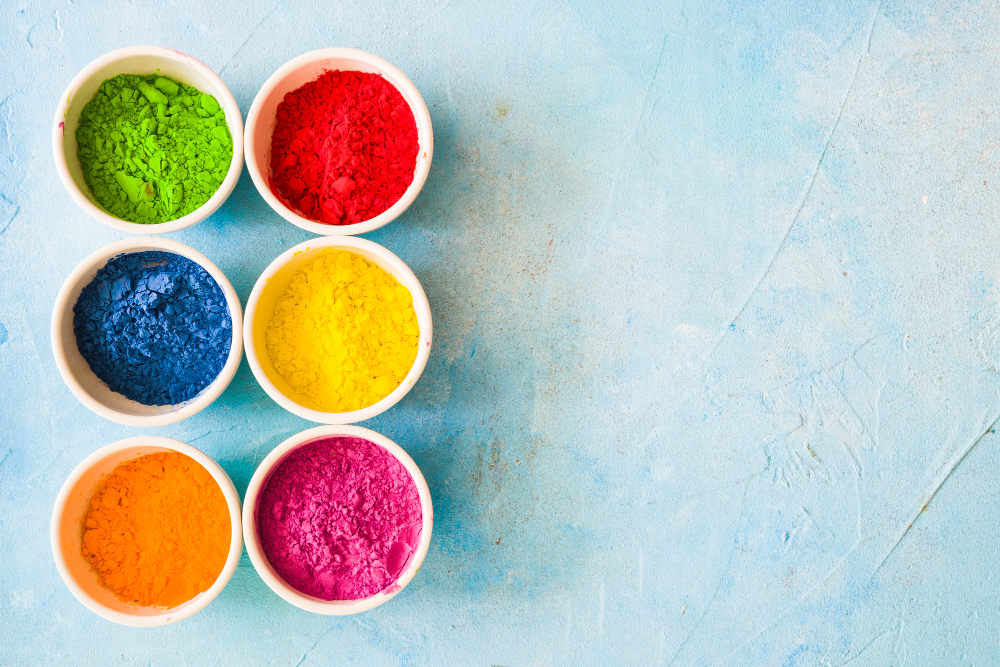
Cotton is the world’s most widely consumed natural fiber — known for its breathability, softness, durability, and universal appeal across every segment of the textile industry. From denim jeans and daily wear shirts to uniforms, towels, and home furnishings, cotton remains an undisputed favorite among consumers and manufacturers. However, achieving long-lasting, vibrant, and high-performance color on cotton requires the right dye class. This is where vat dyes stand out.
Used for centuries yet still unmatched in durability, vat dyes are considered one of the best solutions for dyeing cotton fabrics. Their exceptional fastness, chemical resistance, and deep shade penetration make them indispensable for industries that demand high-quality, long-lasting results. As one of the leading Vat Dyes Manufacturers, SD International has specialized in producing high-purity vat dyes that meet global textile performance standards.
In this in-depth article, we explore everything you need to know about using vat dyes on cotton — from their chemistry and compatibility to essential facts that every textile dyeing professional should understand.
What Are Vat Dyes? (Beginner’s Guide)
Vat dyes belong to a family of water-insoluble dyes, which must undergo a chemical reduction–oxidation process to make them soluble and for them to fix onto cotton.
The vat dyes are one of the oldest dye classes and indigo is one of the oldest dyes of all. Modern vat dyes have been developed to provide:
- Outstanding wash fastness
- Outstanding light fastness
- Chemical and chlorine resistance
- Rich, vibrant and colourfast shades
Vat dyes are the leading dyes for high-performance cotton dyeing. This is because the vat dye application process embeds the dye into the fibre structure itself.
Top Vat Dyes Manufacturers, Vat Dyes Suppliers and Vat Dyes Exporters such as SD International manufacture high-tech vat dye formulations to ensure:
- Repeatable shade performance
- Excellent leveling
- Compliance with international environmental regulations
Why Vat Dyes Work Best on Cotton
Cotton is a cellulosic fiber with high hydrogen bonding and moisture regain properties. Though cotton can be dyed easily but durability and fastness to fade are often difficult to achieve. Vat dyes are the ones that are compatible with cotton fiber structure due to their dyeing chemistry. Therefore, these dyes have become the most sought after.
Reasons Why Vat Dyes Are Ideal for Cotton
These dyes are capable of forming insoluble pigments within the cotton fiber, making them not so easy to wash off.
- Vat dyes provide long-lasting color making them the best dyes for jeans, uniforms and work clothes.
- Vat dyes are the only dyes that have exceptional light fastness and therefore, the cotton fabrics will not lose their brightness even after continuous exposure to sunlight.
- Vat dyes have a good affinity with cellulosic fibers. This is the reason behind their deeper penetration in cotton.
- For all the above reasons, vat dyes are one of the most trusted dyeing options by cotton dyeing factories, garment units and large textile mills.
10 Essential Facts About Using Vat Dyes on Cotton Fabrics
Here are the Top Facts You Should Know if You Are a Textile Professional, Dyer and Manufacturer of Cotton Goods.
Vat Dyes Have the Best Wash Fastness of All Cotton Dye Classe
One of the biggest reasons for vat dyes’ popularity is their unsurpassed wash fastness. After oxidation, vat dyes are turned into an insoluble pigment and trapped in the cotton fiber in a way that they can’t be easily removed by washing, scrubbing, or even detergent power.
That’s why denim, uniform, workwear, and military textiles depend on vat dyes for their long-lasting efficacy.
SD International and other Reputable Vat Dyes Manufacturers produce industrial vat dyes that are designed to give you best-in-class wash fastness results.
Vat Dyes Are Naturally Insoluble and Require Reduction
Vat dyes cannot dissolve in water. To process cotton, vat dyes must be chemically reduced to their water-soluble form — the leuco dye form. This requires:
- Sodium hydrosulfite (reducing agent)
- Caustic soda (alkali)
With the dye in its leuco form, it can enter the cotton fiber. Once oxidized, the color is permanent.
- Redox chemistry is one of the defining characteristics of vat dyeing.
- Vat Dyes Have a High Affinity for Cellulose Fibers
- Cellulose in cotton is made of interlinked glucose units that have hydroxyl (OH) groups.
- In their leuco form, vat dyes form:
- Highly-reactive dianionic forms
- These ionized forms readily interact with the cellulose OH-groups to form:
- Strong fiber–dye bond
- Deep penetration
- Permanent pigmentation
It is these factors that make vat dyes more durable than reactive, direct, and sulfur dyes.
Vat Dyes Have Exceptional Resistance to Chlorine, Alkalis, and Chemicals
Vat-dyed cotton is often specified for garments and textiles that have to endure harsh chemicals, e.g. :
- Industrial workwear
- Hospital and medical textiles
- Carpet and upholstery cleaning textiles
- Denim wash laundries
- Laundry detergents
- Vinyl chloride monomer (VCM) bleaching
- Vat dyes maintain color through hundreds of washes even with:
- Regular exposure to chlorine
- Chlorine bleaching
- Alkaline conditions
- Cleaning agents
A property that few other dye classes share. This is why vat dyes are essential to high-quality cotton fabrics where extra durability is needed
Vat Dyes Are Used Extensively in Denim Dyeing and Garment Laundries
No other dye class has made a greater contribution to the fashion world than vat dyes — indigo, in particular. Vat dyes are the foundation of the denim manufacturing process, creating:
- Vintage washed-out appearance
- Fade effects
- Deep indigo and blue shades
- Colorfast hues that stand the test of time
Premium denim brands source vat dyes from the best Vat Dyes Suppliers and Vat Dyes Exporters for consistent shades and maximum dye performance.
Temperature Control Is Very Important in Vat Dyeing
The vat dyeing process requires specific temperature conditions for each stage:
- Reduction stage: 50–60°C (122–140°F)
- Dyeing stage: 50–70°C (122–158°F)
- Oxidation stage: ambient or a separate controlled oxidizing bath
If temperature conditions are not right, you get:
- Patchy dyeing
- Weak penetration
- Uneven shade
- Poor fastness properties
It is important for an experienced and professional dyeing unit to control the process temperatures for best results.
The Oxidation Process Is Important in Vat Dyeing to Fix the Dye on Cotton
In the vat dyeing process, once the vat dye penetrates cotton in its leuco form, it must be oxidized back to its pigment form.
Typical oxidizing agents are:
- Hydrogen peroxide
- Sodium perborate
- Air (atmospheric oxygen)
This “locks in” the color and is the reason vat dyes are so durable.
Vat Dyes Provide a Wide Range of Shades and Are Deep and Rich in Color
Vat dyes are now available in a wide range of shades and fast colors, such as:
- Deep navy blue
- Dark forest green
- Olive green
- Bright canary yellow
- Burnt orange
- Dusky brown
- Dark brown
- Rich burgundy
- Black
- Indigo blues
- Dark maroon
The color produced by vat dyes is intense, rich, and long-lasting — perfect for quality cotton textiles.
Leading Vat Dyes Manufacturers have custom shade matching available to clothing brands, dye houses, and garment exporters.
The Environment Is Benefiting from Improvements in Vat Dye Technology
In the past, vat dyeing was considered one of the more pollutive dyeing methods due to the reducing agents and high alkalinity.
Modern vat dye technology has enabled:
- Low sulfur content reducing systems
- Environmentally-friendly oxidation chemicals
- Lower effluent volumes
- Increased exhaustion (less dye loss in effluent
- REACH-compliant vat dyes from responsible and sustainable Vat Dyes Exporters like SD International
Vat Dyes Outperform Reactive and Direct Dyes for High-Performance Applications
While reactive dyes offer bright shades and easy application, vat dyes dominate when durability, lightfastness, and wash resistance are critical.
Comparing Vat Dyes to Other Dye Classes
| Feature | Vat Dyes | Reactive Dyes | Direct Dyes |
| Wash Fastness | Excellent | Moderate–High | Low–Moderate |
| Light Fastness | Excellent | Moderate | Low |
| Chemical Resistance | High | Low | Very Low |
| Environmental Impact | Improving | Moderate–Low | Moderate |
| Suitability for High-Performance Fabrics | Best | Good | Limited |
This explains why vat dyes are essential for:
- Denim
- Military fabrics
- Workwear
- Outdoor textiles
- High-value cotton garments
SD International – Trusted Vat Dyes Manufacturers, Suppliers & Exporters
SD International is one of the most trusted and renowned name globally in vat dyes. SD International caters to textile manufacturers, composite mills and garment exporters in Asia, Europe, Africa and Middle East regions. SD International is a leading Vat Dyes Manufacturers, Vat Dyes Suppliers and Vat Dyes Exporters due to their continuous focus on innovation, quality and sustainable business practices. Here’s why you should choose SD International’s vat dyes: Reasons to Choose SD International:
Cutting Edge Manufacturing Technology
We have sophisticated production plants that ensure: Accurate shade development
- High purity
- Batch to batch uniformity
ISO, REACH & Global Certifications
All our vat dyes are compliant with international safety and environmental standards.
High Purity Vat Dyes for Cotton Fabrics
Tailored for superior performance in:
- Pad dyeing
- Exhaust dyeing
- Denim rope and slasher dyeing
Customized Shade Development
We offer customized dye formulation as per specific brand or mill requirements.
Global Export Capabilities
SD International is one of the topmost Vat Dyes Exporters and ships high quality vat dyes globally with efficient logistics support.
Technical Expertise & Support
We provide dyeing guidelines, troubleshooting support and shade matching services for mills and dye houses.
Focus on Sustainability
SD International’s focus on sustainability results in low impact vat dye formulations that lower effluent load and enhance dye uptake.
FAQs – Vat Dyes on Cotton Fabrics
Q. Are vat dyes suitable for cotton fabrics?
YES. Vat dyes are one of the best dye classes for cotton. They provide the best wash fastness, light fastness and chemical resistance.
Q. Why do vat dyes have such good fastness properties?
They form insoluble pigments inside the cotton fiber which makes them highly resistant to washing, rubbing, chemicals and sunlight.
Q. Are vat-dyed cotton fabrics environmentally friendly?
Modern vat dyes are much safer, sustainable and formulated for low effluent impact. We at SD International are REACH compliant.
Q. What is the difference between vat dyes and reactive dyes?
Reactive dyes chemically react and bond with cotton, but only give moderate fastness. Vat dyes form insoluble pigments inside the fiber and are much more durable.
Q. Do vat dyes work on lightweight cotton fabrics?
Yes. If the reduction and oxidation is done properly, vat dyes can dye heavy and light weight cotton equally well.
Q. Where can I buy high-quality vat dyes from a trusted manufacturer?
SD International is a trusted Vat Dyes Manufacturer, Supplier and Exporter serving the textile industries all over the world and we are committed to manufacturing the highest purity vat dyes.
Q. Which industries use vat-dyed cotton the most?
Denim mills, uniform manufacturers, home furnishing exporters and workwear producers use vat-dyed cotton the most.
Conclusion
When you need colorfast, durable, and performance-focused dyeing of cotton materials, vat dyes are the answer. Denim, workwear, outdoor textiles, and premium fashion – vat dyes are the best performing option across all high-quality textile substrates, and they outperform the other dye classes in all wash, light, and rub fastness performance metrics. The chemistry that allows this performance is unique among dyes: the redox mechanism and strong cellulose binding for outstanding durability, and the vat dyes’ unmatched resistance to light and chemicals. In modern textile production, vat dyes are a crucial ingredient.
SD International is a top-ranked Vat Dyes Manufacturers, Vat Dyes Suppliers, and Vat Dyes Exporters on the world stage. We are proud to offer textile manufacturers and converters the highest purity vat dyes, the most innovative manufacturing techniques, and sustainable solutions for any dyeing or finishing application.