
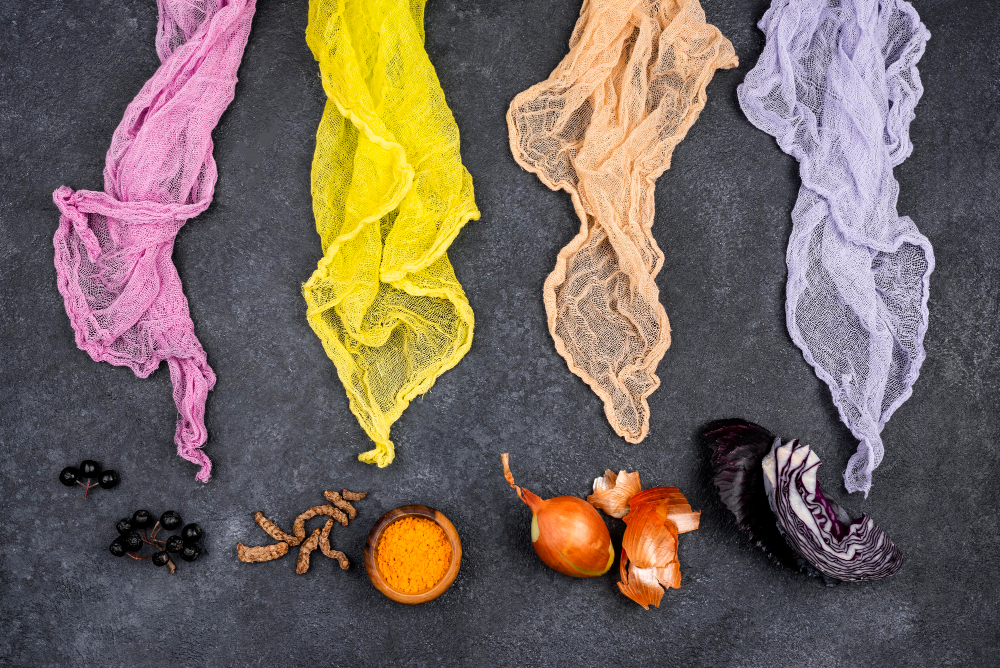
Acid dyes are extensively used in textile processing for producing bright shades, controlled colour build-up and colour performance depending upon application on compatible fibres. They are of particular importance for dyeing protein fibres (e.g. silk, wool) and polyamide fibres (e.g. nylon). Different fibres have different chemical structures and dye affinities and processing requirements and it is therefore important to select the right dye.
An understanding of acid dyes for silk, wool and nylon helps textile manufacturers, fabric processors, garment producers and industrial buyers improve shade consistency, dye uptake and production efficiency. Dye chemistry, bath pH, temperature, levelling behaviour and colour fastness are factors which influence the final result.
Opting for the right products from trustworthy Acid Dyes Manufacturers, Acid Dyes Suppliers and Acid Dyes Exporters can also help ensure consistent production and reliable sourcing. SD International is serving the dyes & chemicals market for India & abroad. Buyers should carefully consider product selection and technical evaluation to find the right textile dyeing solutions.
This guide covers how acid dyes work, the different types of acid dyes available, their fibre specific uses, the general process of dyeing and the important factors to consider when sourcing acid dyes for commercial textile production.
What Are Acid Dyes?
Acid dyes are generally anionic dyes which are water soluble and are applied from an acidic or suitably controlled dye bath to compatible fibres. They are used for protein fibres, e.g. wool and silk, and for polyamide fibres, e.g. nylon. Their performance depends on the chemical structure of the dye, fibre composition, bath conditions and the intended application.
How Do Acid Dyes Work?
These dyes provide fibre colours by way of interactions of dye molecules with appropriate sites in the fibre structure. Many acid dyes are negatively charged, and compatible fibres can be made to carry a positive charge under appropriate dyeing conditions. Other molecular interactions may also be involved in the affinity and retention of the dye.
The dyeing result is affected by several factors:
Fibre Chemistry Wool and silk have functional groups that can react with suitable acid dyes. Nylon has polyamide groups and sites for dye binding. These affect dye uptake.
- Bath pH: The pH of the dye bath affects the charge on the fibre, the dye affinity and the rate of dye take-up.
- Temperature: Controlled heating can help the dye molecules to enter the fibre and affect the rate and uniformity of uptake.
- Dye concentration: The amount of dye influences colour intensity and shade development.
- Processing time. The time needed to develop the desired shade depends on the substrate and formulation.
- Levelling behaviour The dye’s capacity to migrate and redistribute assists in minimising uneven colour development.
- These variables need to be controlled according to the dye selected, the type of fibre, the equipment and the production requirements. A recipe for wool should not be automatically applied to silk or nylon.
Acid Dyes for Silk
Silk is a natural protein fibre known for its smooth feel, sheen, drape and high quality appearance. Acid dyes can produce a wide range of colours on silk and as such are useful for fashion fabrics and other silk products where colour quality is a priority.
Things to know before dyeing silk
Care is taken in processing of silk as unsuitable conditions may affect its surface appearance, handle and overall quality. The dye and process should be chosen to give the required shade without undue stress on the fibre.
Other important things include:
Choose the shade Select a dye grade to produce the desired hue and colour strength.
- Levelness: Appropriate dye selection and controlled dye addition help avoid patchiness and uneven absorption.
- pH control: The bath should be kept under the conditions recommended for the particular combination of silk and dye.
- Temperature control: Heat must be controlled to allow the dye to be taken up, but not to damage the fibre.
- Colour fastness: Wash and light fastness requirements should be in accordance with the end use of the final product.
- Acid dyes for silk uses
- Silk dresses, scarves, sarees, fashion fabrics, decorative textiles and other silk products are suitable applications. The grade of dye to be used depends upon the construction of fabric, the shade wanted, the process of finishing and the fastness required.
- Laboratory trials should be carried out by the textile processors before bulk production to ensure shade reproducibility, fabric quality and compatibility with the intended finishing treatment.
Acid Dyes for Wool
Wool is a protein fibre used in various textile products such as clothing, knitwear, carpets and upholstery. Its chemical structure provides sites for interaction with suitable acid dyes. Acid dyes can give a range of colours and shades on wool depending on the dye formulation and processing conditions.
Factors affecting the dyeing of wool
The choice of acid dyes for wool is governed by the shade required, the levelness desired, the method of process to be employed and the fastness standards to be met.
The following are important considerations:
- Dye affinity: The rate and extent of dye uptake is influenced by the different affinities of the different acid dyes for wool.
- Migration and levelling Choosing the right dye can help the colour to be spread more evenly throughout the material.
- Fibre protection: Wool can be damaged or its appearance changed by too much mechanical action or wrong processing conditions.
- Fastness requirements: The importance of fastness properties as wash, light and others depends on the intended product.
The process for woollen yarn, woven fabric, knitted fabric and finished wool products may be different.
Use of acid dyes for wool production
Acid dyes are used to dye a range of wool-based textiles such as carpets, upholstery fabrics, shawls, scarves and garments.
The application-related categories for acid dyes are levelling, milling and super-milling, but their applicability depends on the dye and performance specifications. Buyers should compare technical data, rather than assume one product in a category will behave like another.
Acid Dyes for Nylon
Nylon is a synthetic polyamide fibre used for the manufacture of selected technical textiles, carpets, upholstery, hosiery and apparel. Nylon has a polyamide structure which has sites for interaction with compatible dye molecules. Acid dyes could be a possibility.
But nylon dyeing behaviour is influenced by polymer characteristics, fabric construction, dye formulation and type of nylon. Dye affinity, shade development and fastness may vary between different substrates.
The following are important factors for dyeing of nylon:
- Dye uptake and colour are influenced by the availability of dye-binding sites in the polyamide structure.
- pH control: The acidity of the bath influences the interaction between dye and fibre.
- Temperature regulation: Appropriate heating helps the penetration of dye and the development of shade.
- Acid dyes have different degree of affinity, migration and fastness.
- Shade consistency is controlled by production conditions and laboratory trials to minimise batch to batch variation.
- Acid Dyes for Nylon.
Applications: nylon fabrics, hosiery, carpets, apparel materials, upholstery and certain technical textile products. Colour strength, durability and compatibility with processing should be considered when selecting the dye.
Before placing a large order for manufacturing purposes, buyers should ensure that the dye is suitable for their specific nylon substrate and intended application.
Types of Acid Dyes
Acid dyes are often grouped according to their application properties, e.g. super-milling, milling and levelling. These categories are a good starting point for picking a product but the actual performance of the product can vary from manufacturer to manufacturer and formulation to formulation.
1.Levelling Acid Dyes
In the case of levelling acid dyes, the first and foremost consideration is the even distribution of colour. Their migration behaviour can help to redistribute the dye during processing and thus decrease the occurrence of uneven shades.
They may be useful for applications requiring controlled, level dyeing on compatible fibres. The effectiveness of levelling is, however, dependent upon the substrate characteristics, dye affinity, bath conditions and process control.
2. Acid Dyes Milling Process
In relevant applications, milling acid dyes are generally characterised by better fastness characteristics and higher substantivity than conventional levelling dyes. They may be chosen for wool and other compatible substrates where the final product requires a distinct balance between dye uptake and durability.
The wash fastness, migration and processing behaviour of the individual product is to be checked.
3. Acid Dyes with Super-Milling Properties
Super-milling acid dyes have been specially developed for applications where improved fastness performance is needed, e.g. for dyeing wool. Depending on the dye they can provide improved resistance to certain wet treatments and a good affinity for the fibres.
The term does not mean all products will perform the same. The final choice must be governed by the requirements of the end-use, by application testing and by technical data.
.Properties of Acid Dyes
Acid dyes have useful dyeing properties for the textile substrates for which they are compatible. However, properties of individual products can vary widely.
Properties of interest are the following:
- Shade range: Possibility to choose from a variety of colours and shades.
- Colour intensity: The capability of achieving the desired depth of shade at an acceptable rate of application.
- Water solubility: Many acid dyes can be used in aqueous dye baths because of their water solubility.
- Fibre affinity is the extent of interaction a dye has with a corresponding substrate.
- Levelling behaviour: ability of a colour to be distributed evenly throughout the processing process.
- Washability: How well a material resists fading or staining when washed.
- Lightfastness: Resistance to fading when exposed to light.
- Reproducibility: Ability to maintain the shades uniform during production batches.
Compatibility with process: Working in the desired dyeing equipment, bath conditions and finishing methods.
These features should be evaluated with appropriate testing methodologies and product-specific technical documentation. One acid dye does not produce necessarily the same results on silk, wool, and nylon.
The acid dyeing process for wool, nylon and silk
The acid dyeing procedure generally consists of the following steps: preparation of the substrate, preparation of the dye bath, adjustment of the chemistry of the dye bath, allowing the dye to exhaust, and then the necessary rinsing and finishing steps. The precise process depends on the composition of the fibre and dye.
General dyeing processes
- Make the base: Clean and prepare yarn or fabric for the type of fibre.
- Prepare the dye bath Dissolve or disperse the selected dye as instructed by the manufacturer.
- Adjust the bathing conditions: Evaluate pH and appropriate chemical conditions.
- Add the dye: Use a suitable method for introducing the dye to ensure an even distribution.
- Control heating: Apply the temperature profile that is most suitable for the selected dye and substrate.
- Allow dye uptake: Create the correct environment for proper colour formation and dye-fiber bonding.
- Rinse and evaluate. Evaluate shade, levelness, and relevant fastness properties, removing any residual unfixed dye as appropriate.
- Finish the content: Use finishing treatments suitable for the final product specifications.
Silk, wool and nylon should not automatically be processed using the same recipe. The technical recommendations and validated production procedures of the chosen manufacturer should be respected according to the real pH, temperature, dye concentration, processing time and auxiliary requirements.
Advantages and Disadvantages of Acid Dyes
Pros
- Suitable fibres are available in a wide range of shades.
- Used in the dyeing of silk, wool and nylon.
- The availability of types of dyes with different degrees of fastness and levelling.
- Under suitable conditions there is the possibility of development of controlled shade.
- Suitable for a range of textile products & production requirements
Limitations
- But not all acid dyes are suitable for all types of fibres or applications.
- The results are dependent on the fibre characteristics, the dye chemistry and the bath conditions.
- Other uses require close supervision to maintain levelness.
- The light and wash fastness are dependent on the grade of dye and must be in accordance with the requirements of the end-use specification.
- Poor processing can result in undesirable fibre effects, poor fastness or uneven shades.
The best results are achieved when the process is validated and the dye is matched to the substrate before bulk production.
How to Choose the Right Acid Dye for Your Applications
Technical and commercial needs of textile manufacturers must be taken into consideration before buying acid dyes.
Look at these features:
- Fibre type: Check blend compatibility with wool, silk or nylon on substrate.
- Look at the colour range and colour strength available to find out the shade you want.
- Dye class comparison is necessary for levelling, milling and super-milling products.
- Fastness: Decide the standards needed for light, wash and other fastness parameters related to the product.
- Compatibility with processes: Evaluate the suitability of the equipment, bath chemistry and production process.
- Consistency Review the batch-to-batch process reproducibility and available quality documentation.
- Technical support: guidance on product choice and application tests where needed.
- Terms of business: Evaluate cost, order quantity, packaging, delivery schedules and supply reliability.
A laboratory trial is a practical means to verify performance, dye uptake and shade before committing to bulk quantities.
Choosing Reputable Acid Dye Manufacturers
When assessing Acid Dyes Manufacturers, buyers ought to focus on product quality, consistency and the capability to provide dyes that are suitable for their needs.
- The main evaluation criteria are as follows:
- Uniform product specifications and batch quality.
- Proper technical documentation and quality control procedures.
- Selection of products suited to the buyer’s requirements as to shade and fibre.
- Storage, handling and use instructions.
- Dependable supply arrangements and packaging.
- Technical support for product evaluation and production trials if feasible.
If you are a business looking for Acid Dyes Manufacturers in India, make sure you check out the actual manufacturing role, product availability, documentation and experience as per your needs. Buyers should not take promotional claims at face value but should request samples and try the product for performance.
How to choose acid dyes suppliers
- Acid Dyes That Are Reliable Suppliers assist buyers in identifying the right products and managing their daily purchasing needs. Please check product specification, technical data, minimum order quantity, packaging, delivery schedule and commercial terms before ordering.
You are also trained to consider the availability of technical support, order fulfilment, documentation and communication when evaluating the Acid Dyes Suppliers in India . Clear identification of product and consistent specifications are important to reduce misunderstandings at later purchases.
The supplier should be able to explain the intended use of the product and provide the relevant documentation for that grade.
Qualities Buyers Need to Check in Acid Dyes Exporters?
- Some of the things international buyers of Acid Dyes Exporters should consider are the quality of Acid Dyes Exporters , the requirements of the destination market and the readiness to export.
Critical elements include:
- Precise product specifications and identification.
- Safety Data Sheets and available technical documentation.
- Appropriate product labelling and export packaging.
- Coordinating logistics and lead times and arranging shipping.
- Compliance with applicable requirements of the destination country.
- Clear payment terms and communication.
- Consistent product quality on every following delivery.
When buying from Acid Dyes Exporters from India, buyers should check the exporter’s role in the product, documentation and export history, and product availability and capacity to meet the needs of the destination market. Requirements can differ based on country, product classification, and shipment.
Why do you purchase acid dyes from India?
India has a textile industry, which provides sourcing opportunities for both domestic and international markets. It also has an established dyes and chemicals industry. Different Dye Products and Suppliers Buyers can explore different dye products and suppliers based on their application, technical specifications and order requirements.
However, the suitability of an Indian supplier has to be examined on a case to case basis. Availability of product, technical support, documentation, export experience and supply arrangements can vary from business to business.
SD International is involved in domestic and international markets for dyes and chemicals. Buyers interested in acid dyes can contact the company for technical specifications, commercial quotations and relevant product information. Specific product availability and application suitability should be confirmed directly before ordering.
FAQs
- What are acid dyes used for?
Acid dyes are used to dye compatible fibres, especially nylon, wool and silk. They offer a variety of shades and application characteristics depending on the substrate, dye chemistry and dyeing conditions.
- Is it possible to apply acid dyes to silk?
Right. Acid dyes can colour silk effectively if the dye and process are compatible with the fabric. Careful control of the temperature, chemistry and handling of the bath protects the fibre and achieves an even shade.
- What acid dyes are used for wool?
A number of wool applications may be well suited to acid dyes suitable for super-milling, milling and levelling. The choice depends on the desired shade, levelling behaviour, fastness properties and the process.
- Are acid dyes used in the manufacture of nylon?
Yes. The polyamide structure of nylon allows for dye interaction, and this is why certain acid dyes are used. The type of nylon, the formulation of the dye, the pH of the bath, the temperature and other processing conditions will all influence product performance.
- What is the difference between levelling, milling and super-milling acid dyes?
These categories usually differ by their migration, substantivity and fastness properties. Milling/Super-Milling dyes are generally preferred in operations requiring high wet-fastness or substantivity. Levelling dyes are associated with even shade development. The choice should be made on the basis of the particular data of each product.
- How does acid dyeing work?
The general process includes substrate preparation, preparation of the dye-bath, pH adjustment, addition of dye, controlled processing, rinsing and finishing. The exact conditions will depend upon the result required, the equipment, the fibre and the dye.
- What characteristics should I consider when selecting acid dyes manufacturers?
Review technical documentation, technical support, applicable product range, supply reliability, packaging, product consistency. Application trials and samples ease the verification of a product meets your requirements.
- How to find reliable acid dyes suppliers and exporters?
Compare specs, documentation, product consistency, pricing, order quantities, delivery schedules, packaging, and customer support. Export buyers should also look into the destination country’s shipping arrangements and requirements.
At last,
Acid dyes for silk, wool and nylon – Textile manufacturers are offered a range of colouration options for compatible natural protein and synthetic polyamide fibres. However, the success of dyeing depends on the following: the choice of suitable dye chemistry, understanding of fibre properties, control of bath conditions and meeting the colour fastness requirements of the final product.
Levelling acid dyes, milling acid dyes and super-milling acid dyes are all intended for different applications and the choice of the product should be made on technical grounds rather than on the name of the category alone. Laboratory tests, repeatable production methods, and good documentation can lead to better shade reproducibility and the elimination of unnecessary processing problems.
By working together with the reliable Acid Dyes Manufacturers, Acid Dyes Suppliers and Acid Dyes Exporters, the commercial buyers can take better decisions for product assessment and sourcing. SD International welcomes enquiries from textile manufacturers, processors, distributors and industrial buyers who want to learn more about acid dyes and related chemicals. For a quotation for your application requirements, request technical details or discuss product availability please contact SD International.