
Preface
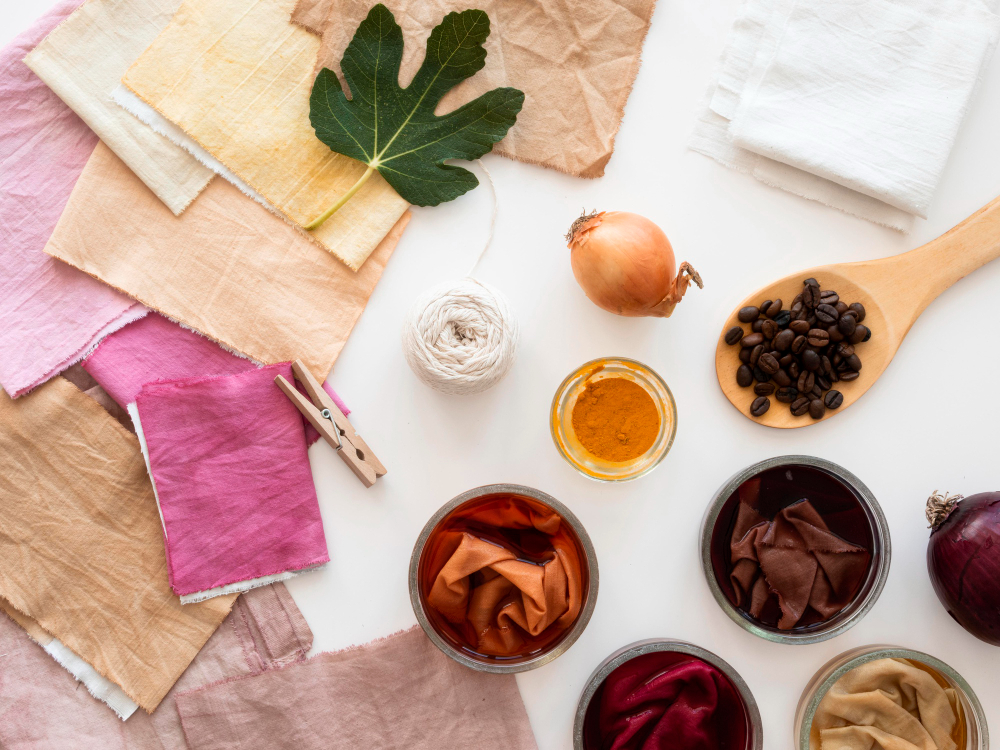
Among the oldest coloring substances used by humans are natural dyes for textiles, leather, paper, cosmetics, food products, and decorative materials. Cultures around the globe have been using natural resources—plants, minerals, insects, and tree bark—to create bright, long-lasting colors long before the invention of synthetic dyes. Today, many industries also rely on trusted Vat dyes Manufacturers for high-performance and durable dyeing solutions in textile and industrial applications.
Today natural dyes are again becoming popular due to growing awareness of sustainability, eco-friendly manufacturing, and environmental safety. Natural products produced through sustainable processes are increasingly attractive to industries and consumers alike. Along with natural dyes, leading Vat dyes Manufacturers are also focusing on environmentally responsible production methods to meet the rising demand for quality and sustainable dye solutions. Thus, natural dyes are gaining renewed demand in industries including textiles, handicrafts, fashion, cosmetics, food coloring, and organic products.
Natural dyes are prized for their:
- Environment friendly
- Biodegradation
- Distinct earth tones
- less impact on the environment
- Traditional and artistic appeal
Natural dyes are derived from renewable sources and tend to contain fewer harmful chemicals than many synthetic dyes. This makes them attractive for green production practices and sustainable textile manufacturing.This guide is written in a professional but easy to understand format, which is good for textile manufacturers, dyeing industries, students, eco-friendly brands and global sourcing professionals.
What Are Natural Dyes?
Natural dyes are coloring matter from natural sources such as:
Plants Flowers Leaves Fruits Roots Minerals Insects
Bark of tree.
These dyes are used for coloring materials such as:
- Cotton Wool Silk Leather Paper Foodstuffs
- Natural dyes are made of pigments that are able to attach to fibers and create different shades depending on the dye source and dye process.
History of Natural Dye
Natural dyes have been used for millennia in ancient civilizations such as :
India Egypt China Greece Rome
Historically, natural dyes were important trade items and cultural symbols. Many famous traditional textiles were produced by means of natural dyeing techniques.
For instance:
- Indigo blue from indigo plants
- Madder roots for red hues
- Yellow is turmeric
- Purples of shell-fish
India has a strong tradition of natural dyeing especially with cotton and silk textiles.
Natural Dyes Sources
Natural dyes are extracted from various natural products.
Natural Dyes from Plants
Most natural dyes are obtained from plants.
Common plant sources are:
- Indigo plants
- Turmeric Henna
- Pomegranate peels
- Onion skins
- Leaves of tea
- Roots of madder
Plant dyes are extensively used for dyeing textiles.
Natural Dyes from Mineral Sources
Some minerals are also natural colors.
Examples are:
- Ochre Iron compounds Clay pigments
- Such dyes are commonly used for art and decorative purposes.
Natural Dyes from Animals
Some dyes come from insects or sea creatures.
Some examples are:
- Insects for red dye (cochineal)
- Red cochineal from shellfish
They were once rare, expensive dyes.
Natural Dyes Types
Natural dyes can be categorized either by their source or by their use.
Indigo Dyed
Indigo is a very well known natural dye.
Source :
Derived from the indigo plant.
Color.
Produces dark blue shades.
Applications
- Denim materials
- Cotton fabrics
- Traditional clothes
- TURMERIC COLOUR
Turmeric is a natural yellow color.
Source:
Turmeric root.
Applications:
- Cotton fabrics
- Food Colouring
- Traditional fabrics
- Madder Dye
Madder produces red and orange colors.
Source:
From the roots of madder.
Application
- Dyeing of silk Fabrics of wool
- Carpets
- Henna Color
Reddish-brown coloration is commonly achieved with henna.
Applications
- Color de pelo
- Bodypainting Fabric dyeing Pomegranate dye
The peels of pomegranate yield shades of yellow and green.
- Employs
- Sustainable Fabrics
- Handwoven textiles
How Natural Dyes Function
Natural dyes color fabrics through a dyeing process that allows the pigment to bond to the fibers.
DYE EXTRACTION
The dye material is procured from natural sources by:
Boil Steep Ferment
- This allows the colouring compounds to get into water or solution.
Process of Mordanting
- Many natural dyes need a mordant to improve the fixing of the dye.
Common mordants are:
- Alum, iron salts of
- Copper salts.
Tannins:
Mordants help the dye to bond strongly to the fabric.
The dyeing process
The fabric is soaked in the dye solution and heated to enable the colour to enter the fibres.
- Drying and finishing operations
- After dyeing, the fabric is washed and dried to set the color.
Advantages of Natural Dyes
There are a number of important benefits to natural dyes.
Eco-Friendly & Biodegradable
Natural dyes are environmentally friendly because they are obtained from renewable natural resources, making them a sustainable choice offered by leading Vat dyes Suppliers for eco-conscious industries.
They pollute less than the synthetic dyes.
Non-toxic
Many natural dyes are safer to come in contact with your skin and produce fewer harmful chemicals.
This makes them a popular for:
- Organic textiles
- Baby clothes
- Hand made textiles
- Unique and Deep Sounds
Natural dyes provide an earthy and artistic palette that is hard to replicate with synthetic dyes.
Sustainability of Textile Production
- Natural dyes promote green and sustainable production processes.
- Cultural and Traditional Significance
- Natural dyeing maintains traditional craftsmanship and cultural heritage.
Disadvantages of Natural Dyes
Natural dyes have some advantages, as well as limitations.
Fastness to rubbing
- Some natural dyes fade more quickly than synthetic dyes.
Little Shade Range
- Natural dyes do not always have the range of colors that synthetic dyes have.
Rising Production Cost
- Extraction and processing can be more labor intensive
Color Variability
- The shades of natural dyes can be varied because:
- Plant quality Climate conditions
- Dyeing process
Uses of Natural Dyes
Natural dyes are used in many industries.
Textile Industry.
Natural dyes are used most in the textile industry.
Uses include:
- Cotton fabrics
- Silk fabrics
- Woollen fabrics
- Fashion Industry Handloom Products
Eco-friendly fashion brands are turning to natural dyes to produce sustainable clothing collections.
The Beauty Industry
Natural dyes are used for:
- Natural cosmetics
- Hair Color Products
- Skin Care Product
- Food Industry
Some natural dyes are also used as food colorants.
For example:
- Turmeric Beetroot extract
- Annatto Arts and Handicrafts
Traditional handicraft and artistic products are fond of natural dyes.
The Importance of Natural Dyes in Sustainable Fashion
Sustainable fashion is one of the fastest growing areas in the textile industry.
Natural dyes contribute to sustainability by:
- Reducing chemical contaminants
- Backbone of traditional artisans
- Promoting sustainable production
Summary
Natural dyes are one of the oldest and most sustainable forms of color in the history of mankind. These dyes are derived from plants, minerals, and natural materials and still play a significant role in eco-friendly textile manufacturing, sustainable fashion, cosmetics, handicrafts, and organic products. Along with natural coloring solutions, Vat dyes exporters are also supporting the global textile industry by providing high-quality dyes known for their excellent color fastness, durability, and industrial performance.
Large-scale industrial production is dominated by synthetic dyes, but natural dyes are seeing renewed global interest as environmental responsibility and sustainable manufacturing practices gain importance. At the same time, leading Vat dyes exporters are adopting sustainable production methods to meet the growing worldwide demand for reliable and eco-conscious dyeing solutions.
The special shades, the biodegradability and the cultural importance of natural dyes make them very valuable for industries that are looking for environmentally friendly alternatives.
The growing sustainable fashion and green production worldwide means that natural dyes are likely to be an important part of the future textile and chemical industries
Frequently Asked Questions FAQs
Natural dyes – what are they?
Natural dyes are colorants from natural sources such as plants, minerals, insects and tree barks.
Examples of Natural Dyes?
Typical examples are:
Indigo Madder Henna Pomegranate Color Turmeric
Why are natural dyes environmentally friendly?
They are renewable, biodegradable and usually cause lower pollution to the environment than synthetic dyes.
What industries use natural dyes?
Natural dyes are used for:
- Textile Apparel Beauty products
- Foodstuffs
- Cultural Handicrafts
What is a mordant in dyeing? (natural
A mordant is a chemical that helps natural dyes bind to the fibers of fabric.
Are natural dyes safe for the skin?
Some natural dyes are less toxic and safer than some synthetic dyes.
What is driving the demand for natural dyes?
Global demand for natural dyes is growing on the back of rising environmental awareness and sustainable fashion trends.